
Exceptional Lawn Grub Control in Cedar Hill, MO
A professional lawn grub control service protects your turf from root damage caused by grubs feeding below the surface. TurfOne Landscape Management provides targeted grub control service in Cedar Hill, MO, to stop active infestations and help prevent future lawn damage.

Request a Free Quote
Tell us about your project and we’ll be in touch with a personalized estimate.
Lawn Grub Control Designed for Stronger, Healthier Turf
TurfOne Landscape Management provides grub control services focused on one thing: protecting your lawn from hidden root damage. We don’t guess. We inspect the turf, treat the appropriate zones, and apply solutions at the right times so your lawn has the best chance to recover and grow thick again.
What our lawn grub control service includes:
- Lawn inspection for grub activity and root stress
- Targeted grub control application in high-risk areas
- Treatment timing based on lawn conditions and season
- Recovery guidance to support healthier turf growth
- Grub prevention recommendations when needed
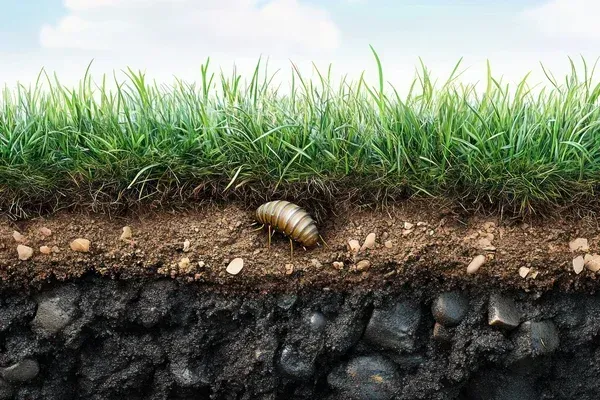
Grub Damage vs. Drought Stress: How to Tell the Difference
Many Cedar Hill lawns show brown patches in summer, but not all turf damage comes from a lack of water. Grub damage starts below the surface, so it often looks like drought stress at first. A quick comparison can help you decide whether lawn grub control makes sense for lawn protection.
Drought stress usually looks like this:
- Grass turns dull or gray-green before browning
- The turf feels dry and stiff underfoot
- Browning appears more evenly across the yard
- The lawn improves after deep watering within a few days
Grub damage usually looks like this:
- Brown patches show up in clusters and spread fast
- Turf feels spongy or loose in damaged areas
- Grass lifts easily because roots break down
- Birds peck in the turf, or animals dig overnight
- The lawn gets worse even with regular watering
Quick test:
Grab a small section of grass near a brown patch and pull gently. If the turf lifts up like carpet, grubs may be feeding on the roots.
What the Right Grub Control Adds to Your Property
Professional grub control improves more than lawn appearance. It protects your root system, helps turf recover faster, and reduces the chances of large dead zones forming across the property. When you stop the feeding damage early, your lawn stays thicker, greener, and easier to maintain.
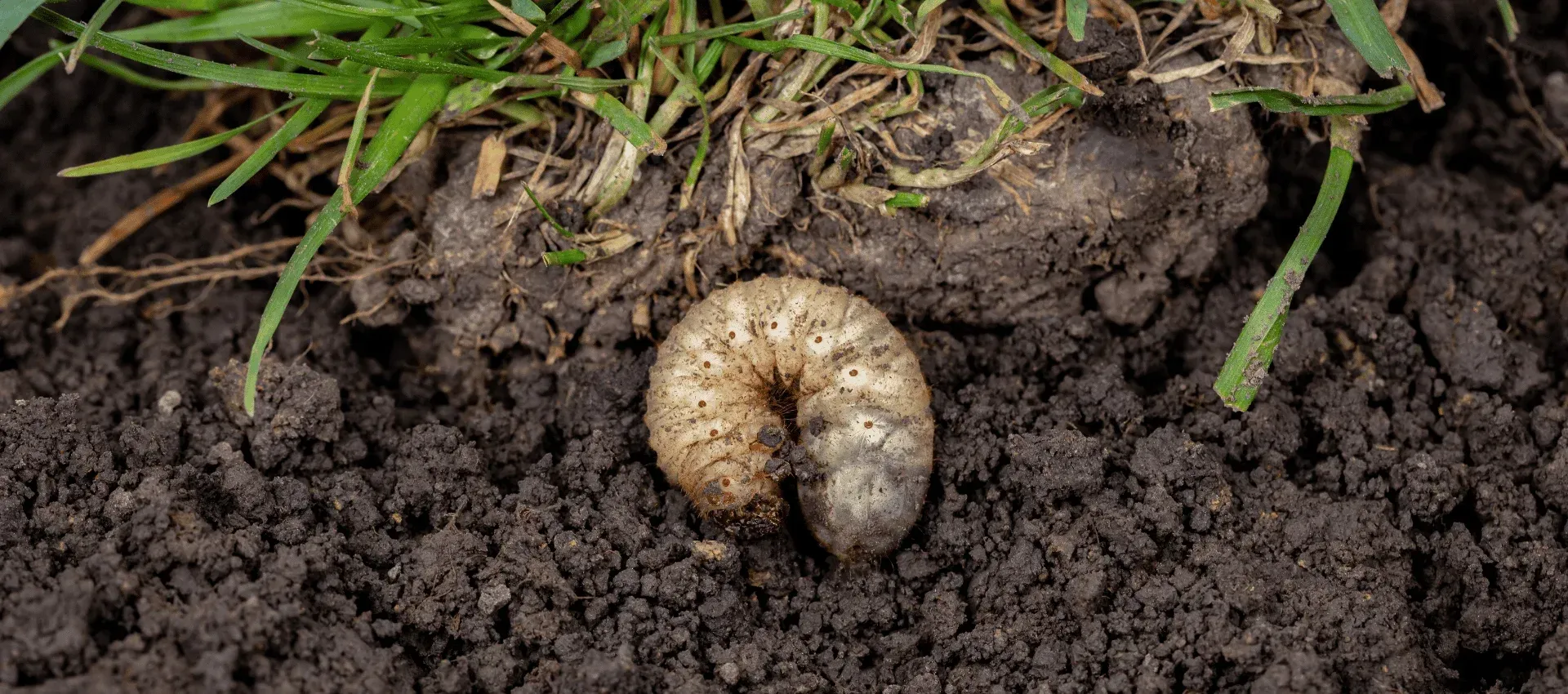
Our Lawn Grub Control Process
We keep every service visit organized, clean, and focused so your lawn gets the right treatment at the right time. Our crews follow a repeatable process that improves results and helps prevent missed problem zones.
Our grub control process includes:
- Property check: We review turf condition, thin areas, and signs of grub activity.
- Root and soil review: We inspect likely feeding zones and lawn stress patterns.
- Targeted grub treatment: We apply grub control where activity is most likely.
- Coverage confirmation: We verify treatment placement for consistent results.
- After-care guidance: We share clear next steps to support recovery and long-term turf health.
Why Homeowners Choose TurfOne for Lawn Grub Control
Lawn grub control depends on timing. The treatment type matters. The application zone matters. TurfOne Landscape Management focuses on dependable results and long-term turf health, not rushed lawn treatments that only mask the problem.
Customers choose TurfOne because we provide careful inspections, professional applications, and clear guidance that helps lawns recover faster. We treat with purpose to protect roots, reduce turf loss, and restore a clean, healthy lawn surface.
What to Know About Lawn Grub Control
Grub control looks simple, but timing, product selection, and lawn conditions make a big difference in results. These quick answers explain what to expect from our lawn grub control service in Cedar Hill, MO, and how to protect your turf in the long term.
How do I know if grubs are causing damage to my lawn?
Grub damage often shows up as fast-spreading brown patches and turf that lifts easily. You may also see birds pecking or animals digging into the lawn in search of larvae.
How fast does grub control service work?
Treatment begins working quickly, but visible recovery depends on how much root damage already happened. Many lawns begin to improve as roots recover and new growth fills in.
Can grubs come back next season?
Yes. Beetles can lay eggs again in turf. Prevention timing and seasonal monitoring can reduce the risk of reinfestation.
Should I water after a grub treatment?
In most cases, yes. Light watering helps move treatment into the soil zone where grubs live. We provide clear aftercare steps tailored to your lawn conditions.