Lawn Fertilization in Eureka, MO: When to Fertilize & What to Use | TurfOne Landscape Management
Rich Williams • June 24, 2026
Lawn fertilization comes down to proper timing, the right nutrients, and understanding how local grass types grow throughout the year. In the St. Louis area, most lawns are cool-season grasses like fescue and bluegrass, which thrive during specific seasons. When you follow the correct fertilization schedule, you get thicker growth, stronger roots, and a lawn that holds its color longer.
What Lawn Fertilization Really Does for Your Yard
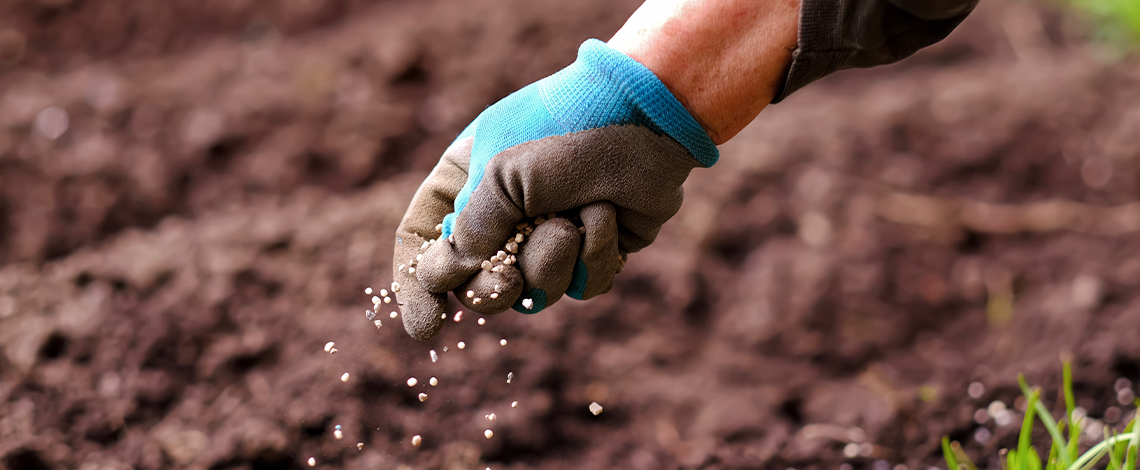
Lawn fertilization supplies essential nutrients that your soil cannot always provide on its own. Nitrogen drives green growth, phosphorus supports root development, and potassium strengthens overall turf health. Without a consistent feeding schedule, even well-maintained lawns can become thin and uneven over time.
Beyond appearance, fertilization plays a major role in long-term lawn performance. A properly fertilized lawn can resist weeds, handle stress better, and recover faster from mowing or seasonal changes. This is why most yard care service programs include fertilization as a core service rather than an occasional add-on.
When to Fertilize Your Lawn in Eureka, MO
Getting the timing right is one of the most important parts of lawn fertilization in this region. Cool-season grasses follow a predictable growth cycle, so each application serves a specific purpose. Following a structured schedule helps your lawn grow thicker, healthier, and more resilient throughout the year.
Lawn Fertilization Timeline for Eureka & St. Louis Lawns
| Season | Timing | Purpose | What to Apply |
|---|---|---|---|
| Early Spring | April – Early May | Kickstarts growth after winter dormancy | Light, slow-release fertilizer with moderate nitrogen |
| Early Fall | September | Promotes root growth and thickens turf | Nitrogen-rich fertilizer for strong recovery |
| Late Fall | November | Prepares lawn for winter and early spring green-up | Winterizer fertilizer with balanced nutrients |
How to Use This Schedule
Each step in this timeline plays a different role in your lawn’s health. Spring applications help your lawn wake up, but fall is where most of the real improvement happens. Skipping fall fertilization often leads to weaker grass and more issues the following year.
For the best results, many homeowners work with us to follow a consistent fertilization program tailored to local conditions. Our team adjusts timing and products based on your lawn, so you get steady results without the guesswork.
Choosing the Right Fertilizer for Your Lawn
Slow-Release Fertilizers
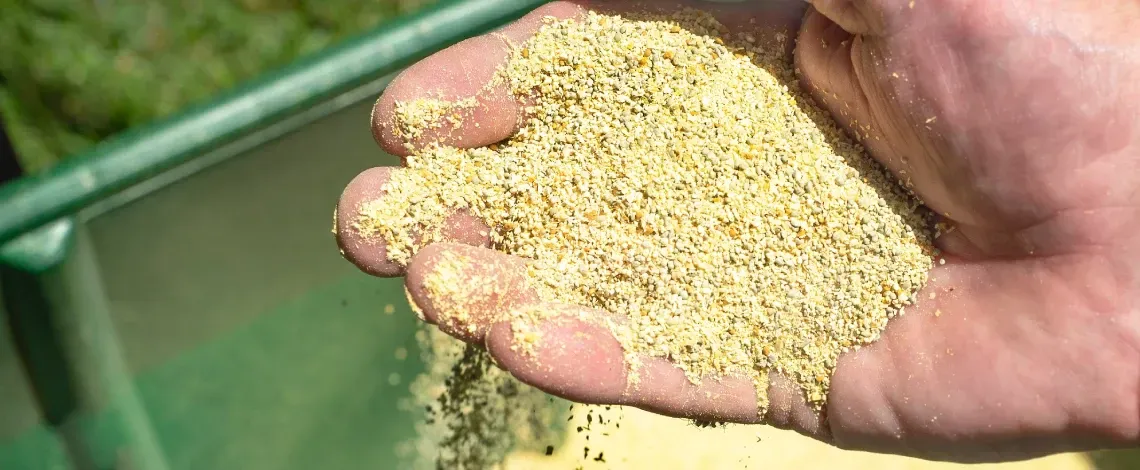
Slow-release fertilizers provide nutrients over time instead of all at once. This reduces the risk of burning your lawn and improves the efficiency with which the grass absorbs nutrients. It is one of the most common options used in lawn fertilizing services.
Nitrogen-Focused Blends
Cool-season lawns benefit from fertilizers with higher nitrogen content. These blends promote strong, green growth while still supporting root health. Choosing the correct ratio is key to getting consistent results.
Organic vs Synthetic Options
Both fertilizer types have their place depending on your goals. Organic products improve soil quality over time, while synthetic options deliver faster visual results. Many lawn fertilization near me services use a balanced approach that combines both.
Why Homeowners Choose Professional Fertilization Services
Working with a professional removes the guesswork and creates a consistent plan for your lawn. Lawn fertilizing services are typically structured around local turf cycles and seasonal conditions. This allows each application to deliver better results.
A professional program also includes proper application methods and ongoing adjustments. Instead of reacting to problems, the focus stays on preventing them before they start. This leads to healthier lawns and more predictable outcomes year after year.
Build a Stronger Lawn with the Right Plan
A successful lawn starts with a clear fertilization strategy that matches your local conditions. Spring applications support early growth, but fall fertilization is what builds long-term strength and density. Staying consistent with your schedule makes the biggest difference over time.
If you want a lawn that looks better and performs better, working with
TurfOne Landscape Management is the next step. Their team builds tailored fertilization programs tailored to your lawn’s needs, helping you achieve reliable results while keeping your yard healthy throughout the year.
Recent Posts