How to Fix a Patchy, Uneven Lawn in St. Louis: Causes, Solutions & When to Call a Pro
Rich Williams • July 19, 2026
A patchy lawn in St. Louis, MO, can result from compacted soil, weeds, poor drainage, pests, shade, or summer stress. The right repair depends on whether the issue affects a few isolated spots or most of the yard. Rather than only adding seed, homeowners should correct the conditions that caused the lawn to thin out.
Start by Identifying What Is Weakening Your Lawn
Thin or uneven grass is usually a symptom of a deeper lawn or soil issue. A few bare areas may be due to traffic or seasonal stress, while widespread thinning may indicate watering, drainage, or turf health concerns. Looking at the pattern of damage helps determine the right next step.
| What You Notice | Likely Cause | Best Starting Point |
|---|---|---|
| Thin grass in high-traffic areas | Compacted soil | Aeration and overseeding |
| Bare spots with weeds | Weak turf density | Weed control and reseeding |
| Brown turf that pulls up easily | Possible grub damage | Professional inspection |
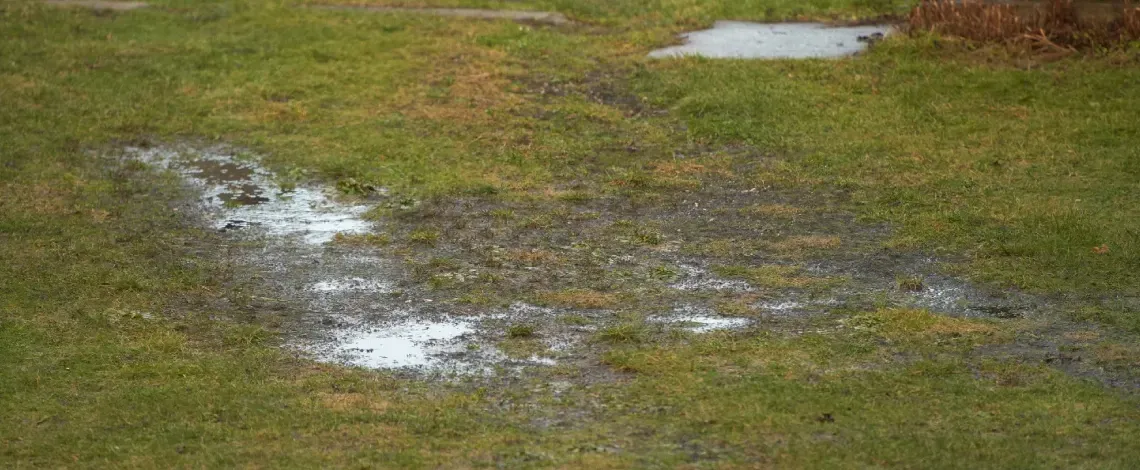
| Low areas that remain wet | Drainage or grading concern | Uneven lawn repair |
| Thin grass under trees | Shade or root competition | Adjust lawn care approach |
| Widespread weak turf | Soil, watering, or turf-quality issues | Lawn renovation service |
Why Lawns Become Patchy and Uneven
Compacted soil is a common reason grass struggles to grow evenly. When soil becomes hard, water, nutrients, and oxygen have a harder time reaching the root zone. This is especially common in areas with regular foot traffic, mowing equipment, or heavy Missouri clay soil.
Weeds can also take over when healthy grass becomes thin enough to expose open soil. Heat stress, shallow watering, pests, pet damage, and shade may further weaken the turf during the growing season. In some yards, low spots and uneven grading add to the problem by creating areas that stay too wet or dry out too quickly.
Follow the Right Lawn Repair Process
Successful lawn restoration starts with improving the conditions below the grass. Overseeding alone may not last if the lawn is still compacted, weedy, or holding water after rain. A repair plan should give new grass better soil contact and a stronger environment for root growth.
A typical lawn repair process includes:
- Clear weeds and debris to expose the soil and remove competition from thin areas.
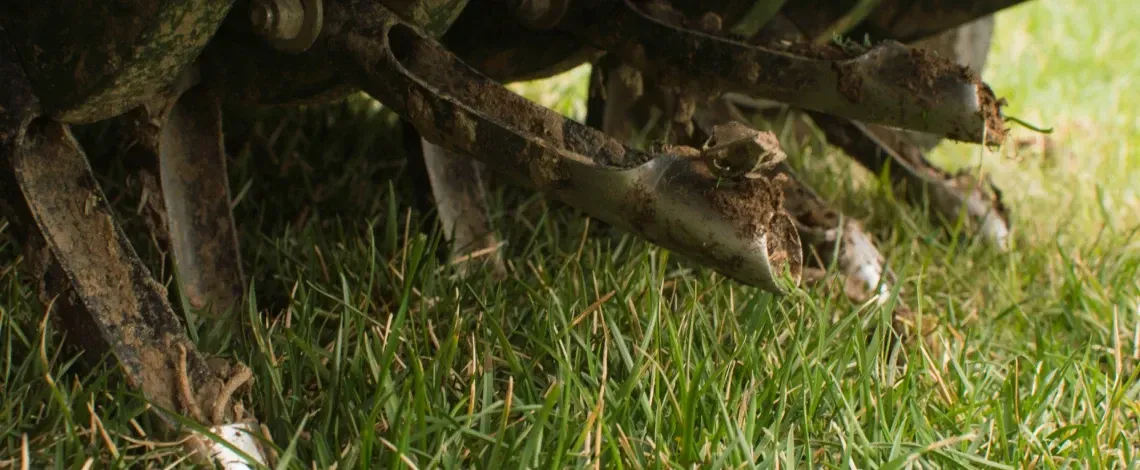
- Aerate compacted sections to improve airflow, water movement, and seed-to-soil contact.
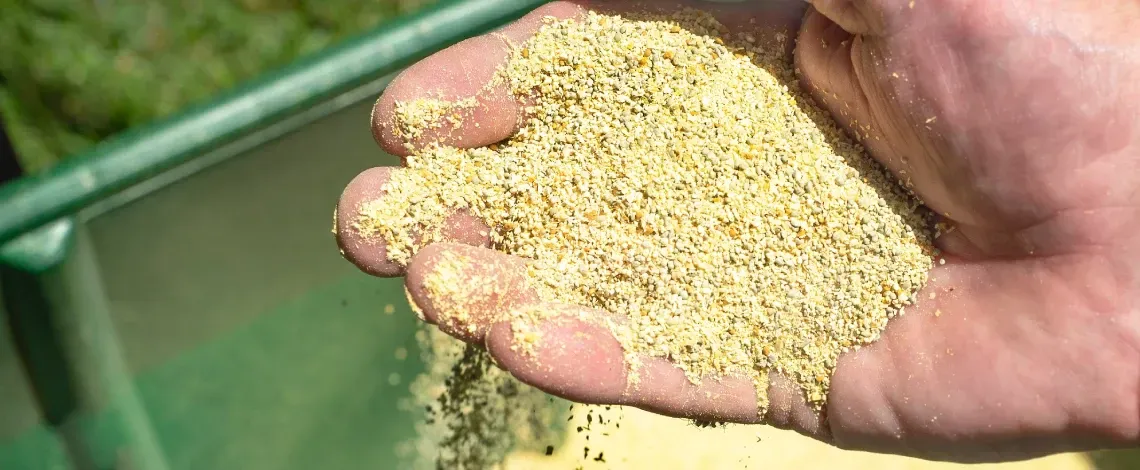
- Overseed weak turf to rebuild density and improve coverage across bare or thinning spots.
- Water consistently while the new seed germinates and begins developing roots.
- Mow carefully once the grass is established so new growth is not stressed too early.
Help New Grass Stay Healthy After Repair
New grass needs consistent care after seeding to blend in with the existing lawn. Short, frequent watering may be needed during germination, but established turf benefits from deeper and less frequent watering. Proper mowing also helps protect the lawn from stress and weed pressure.
A reliable maintenance routine should include:
- Mowing at a healthy height instead of cutting the grass too short
- Keeping mower blades sharp for cleaner, less stressful cuts
- Limiting foot traffic on newly seeded sections
- Addressing weeds before they spread through thin areas
- Scheduling seasonal aeration, fertilization, and overseeding when needed
A consistent lawn care plan can help new grass stay thicker, reduce weed pressure, and recover more effectively after seasonal stress.
When a Basic Lawn Repair May Be Enough
A simple repair can work when most of the lawn is still healthy, and only a few sections need attention. Spot seeding, aeration, and improved watering may be enough to restore those isolated areas before the damage spreads. This option is usually best when the lawn still has strong overall turf coverage.
Basic repairs are often a good fit for lawns affected by light compaction, seasonal heat stress, or limited traffic damage. They can also work when weeds are restricted to small areas, and there are no noticeable drainage concerns. When thin turf keeps returning despite these improvements, the property may need a more extensive restoration plan.
When Lawn Renovation Is the Better Choice
A lawn renovation service in St. Louis may be more effective when thin grass, weeds, and bare soil affect a large portion of the property. This approach allows the lawn to be improved from the ground up by addressing soil conditions, turf density, and recurring trouble areas. It can be especially helpful when multiple overseeding attempts have not delivered lasting results.
A more complete restoration may be needed when:
- Less than half of the lawn contains healthy grass
- Bare spots return after each growing season
- Weeds have spread through large sections of the property
- Soil compaction affects multiple areas of the yard
- Previous seeding efforts have not improved coverage
- Drainage or uneven ground is contributing to repeated damage
Professional lawn care services can help develop a comprehensive plan to restore weak or declining turf.
Correct Uneven Lawn Areas Before Reseeding
Uneven ground can make lawn repair more difficult because not every part of the yard receives water evenly. Low spots may trap moisture and weaken roots, while raised sections can dry out faster and become difficult to mow evenly. Correcting the surface first creates a more stable base for grass to establish.
Uneven lawn repair in Cedar Hill may involve minor grading, soil preparation, or drainage improvements, depending on the property. These adjustments can help correct areas that remain wet, wash out, or repeatedly lose grass after rainfall. In some cases, related landscaping services may be part of the long-term solution.
Know When It Is Time to Call a Professional
A professional assessment is useful when patchy areas keep returning despite regular maintenance and reseeding. Persistent problems may involve pests, poor soil, drainage concerns, or irrigation issues that are difficult to identify without a closer evaluation. Addressing the cause early can prevent the lawn from needing a more extensive renovation later.
Call a professional for lawn restoration in Eureka, MO, or the surrounding St. Louis area when:
- The same bare spots return after reseeding
- Standing water or visible low areas remain after rainfall
- You suspect grubs, disease, or another pest problem
- Weeds are spread throughout the lawn
- The soil feels hard or heavily compacted
You need aeration, overseeding, weed control, and irrigation support coordinated in one plan
Properties with dry zones, soggy sections, or inconsistent sprinkler coverage may also benefit from irrigation repair and installation.
Ready to Restore Your Lawn?
A patchy or uneven lawn can improve when the repair plan addresses the cause rather than just the visible damage.
TurfOne Landscape Management provides lawn care, aeration, overseeding, lawn restoration, drainage solutions, and seasonal property improvements for homes and businesses in Cedar Hill, Eureka, St. Louis, and nearby Missouri communities.
Contact our team today to schedule an estimate and find the right solution for a fuller, healthier lawn.
Recent Posts