
Professional Soil Testing in Cedar Hill, MO
Soil testing is the smartest way to stop guessing and start improving your lawn from the ground up. Our soil testing in Cedar Hill, MO, gives you real data on pH, nutrients, and soil balance, so your turf gets exactly what it needs to grow thicker, greener, and more resilient.

Request a Free Quote
Tell us about your project and we’ll be in touch with a personalized estimate.
Soil Testing Designed for Clean, Consistent Results
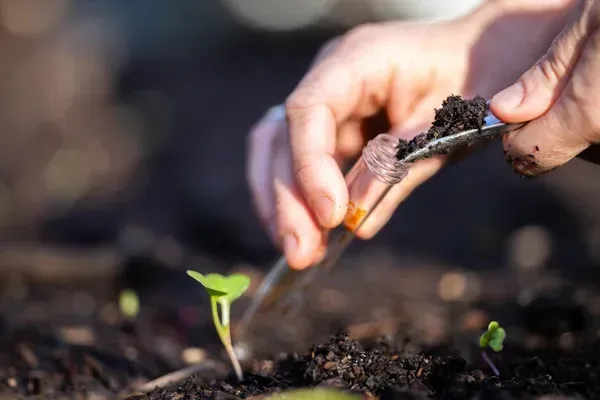
TurfOne Landscape Management provides soil testing services focused on one thing: helping your lawn perform better with less waste. We take accurate soil samples, send them for professional analysis, and turn the results into a simple plan you can trust.
What our soil testing service includes:
- Soil sampling from key lawn zones
- Lab testing for pH and nutrient levels
- Recommendations for fertilizer and soil amendments
- Lime guidance to correct pH issues
- Clear next steps based on results
Common Soil Problems in Cedar Hill Lawns
Cedar Hill lawns deal with a few common soil issues that make turf growth harder than it should be. When the soil stays compacted, imbalanced, or waterlogged, grass struggles to thicken up, no matter how often you water or fertilize. Soil testing helps pinpoint the exact issue so the lawn can respond faster.
Common soil problems we see in Cedar Hill include:
- Soil compaction from clay-heavy ground that blocks roots from growing deep
- pH imbalance that prevents grass from absorbing key nutrients
- Drainage issues that cause thinning, fungus pressure, and weak turf zones
- Excess thatch buildup is tied to poor soil biology and slow breakdown
- “Fertilizer doesn’t work” results are caused by soil conditions, not the product
What the Right Soil Testing Adds to Your Property
Professional soil testing improves more than the lawn’s appearance. It helps your turf respond better to fertilizer, builds stronger roots, and improves long-term lawn stability. When soil levels stay balanced, your lawn grows thicker, handles heat better, holds moisture longer, and looks more uniform from edge to edge.
Our Soil Testing Process
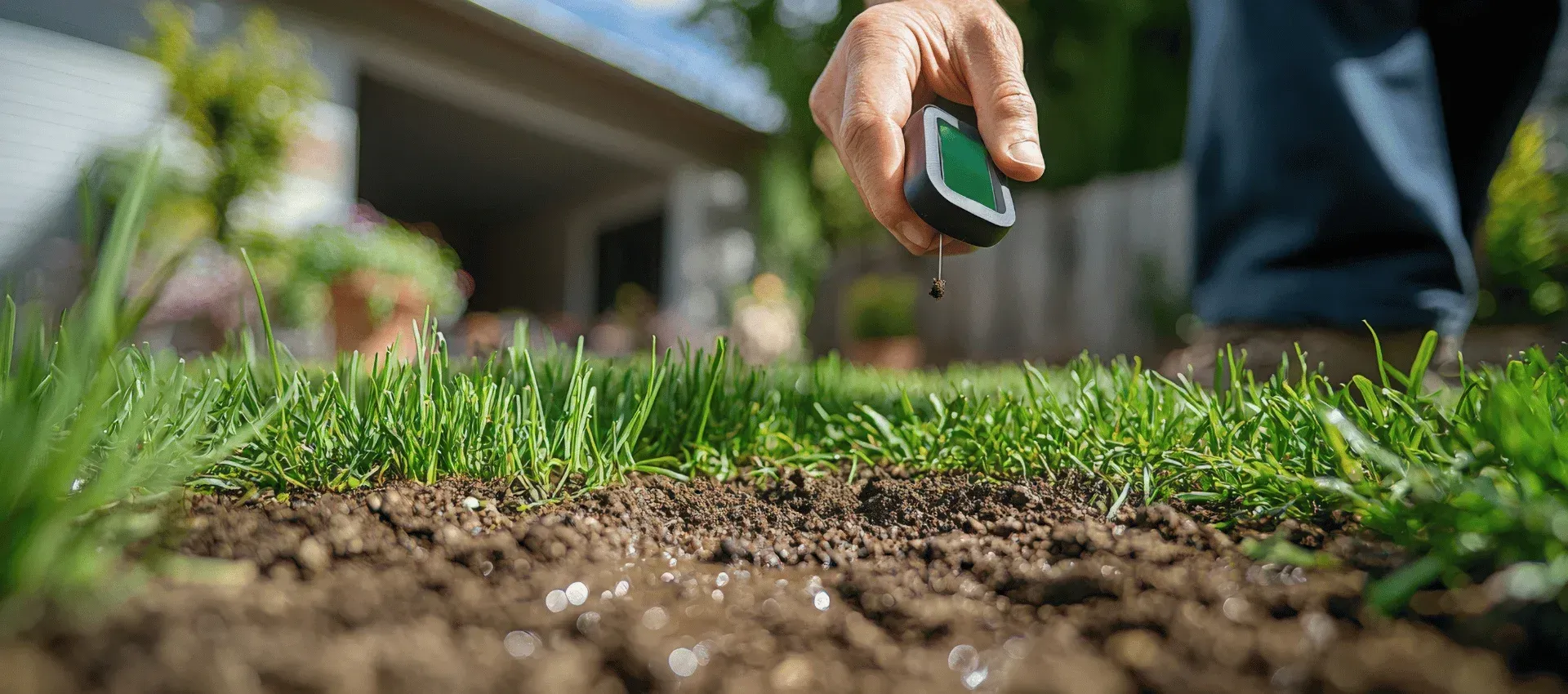
We keep soil testing organized, accurate, and results-driven so you get a clear plan that improves turf health. Our team follows a proven process that eliminates guesswork and helps every treatment perform better.
Our soil testing process includes:
- Property check: We review lawn condition, problem zones, and growth patterns.
- Soil sampling: We collect clean samples from key areas at the correct depth.
- Lab testing: We send samples for professional analysis of pH and nutrient balance.
- Results review: We explain your soil report in plain language.
- Action plan: We provide targeted recommendations for improvements and timing.
Why Homeowners Choose TurfOne for Soil Testing
Soil testing depends on accuracy. Sampling method matters. pH correction matters. Recommendations matter. TurfOne Landscape Management focuses on real results, not vague guesswork or generic lawn advice.
Customers choose TurfOne because we provide professional sampling, clear reporting, and straightforward recommendations that match Cedar Hill turf conditions. We help property owners spend smarter, avoid wasted applications, and build healthier turf in the long term.
What to Know About Soil Testing
Soil testing looks simple, but correct sampling and accurate interpretation make the difference. These quick answers explain what to expect from our soil testing service in Cedar Hill, MO, and how it helps improve lawn performance.
How often should I schedule soil testing?
Most lawns benefit from soil testing every 1–2 years. If your lawn struggles or you plan new treatments, testing sooner helps.
What time of year is best for soil testing?
Spring and fall are the most popular times, but soil testing can be done any time the ground is not frozen.
Does soil testing tell me what fertilizer to use?
Yes. Testing determines nutrient levels and provides recommendations to guide fertilizer selection, rates, and timing.
How long does it take to get results?
Most lab results come back within 7–14 days, depending on the season and lab volume.